Introduction
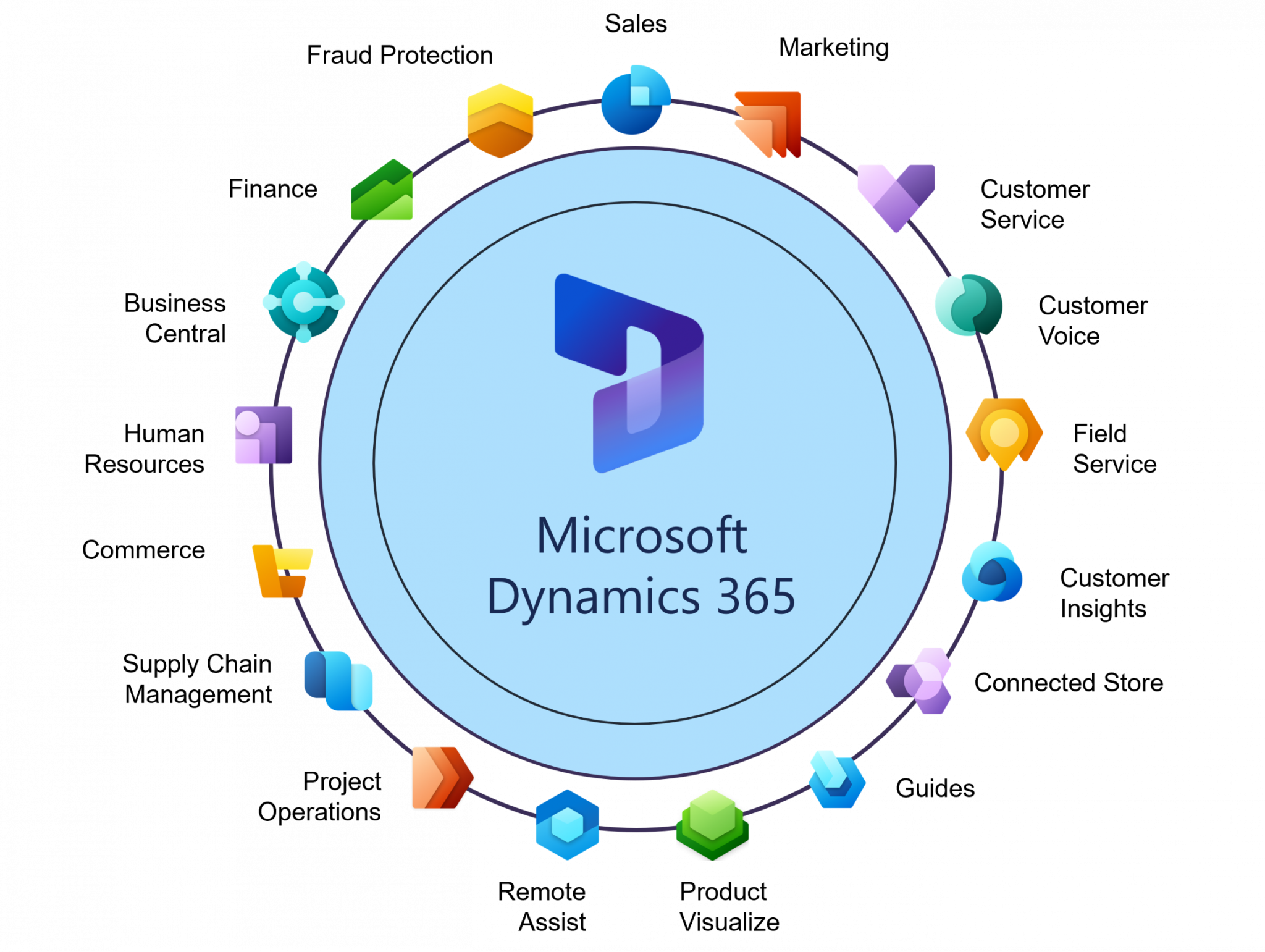
Redlark General Holding, a diversified business managing trading and logistics operations, faced increasing operational inefficiencies due to fragmented systems and manual workflows. To improve operational efficiency, enhance decision-making, and enable scalability, the company implemented Microsoft Dynamics 365. The focus was on integrating key functions—Finance and Accounting, Supply Chain Management, Reporting, Sales, Purchasing, and Warehousing—into a unified platform.
Project Objectives
The ERP implementation aimed to achieve several key objectives. First, it focused on automating financial management to enhance compliance, accuracy, and overall efficiency. The project also sought to optimize supply chain operations, improving procurement processes and inventory management.
Another key objective was to strengthen reporting capabilities, enabling data-driven decision-making and better strategic planning. Additionally, the project aimed to enhance sales tracking and improve customer relationship management (CRM) to drive engagement and growth. Finally, the implementation aimed to streamline warehouse and logistics operations, reducing costs and increasing operational efficiency.
Challenges
The company faced significant challenges with fragmented systems, as legacy platforms lacked integration, leading to inefficiencies in financial reporting and supply chain operations. Manual workflows further exacerbated the problem, causing delays in procurement approvals and warehouse operations, ultimately reducing overall efficiency.
Additionally, limited visibility into sales data and inventory levels led to frequent stock imbalances, including shortages and overstocking. Finally, the company’s need for custom reporting could not be met by standard templates, as they failed to align with the company’s specific business intelligence requirements.
![]()
It's not the strongest of the species that survive, nor the most intelligent, but the one most responsive to change.

Charles Darwin
ERP Modules Implemented
Finance and Accounting Module
Redlark automated financial workflows, enabling efficient accounts payable/receivable processes and real-time financial reporting. Budget control features were introduced for better forecasting, while compliance tools ensured adherence to financial regulations.
Supply Chain Implementation
The supply chain module optimized procurement processes by automating supplier management workflows. Logistics planning tools improved distribution efficiency, while inventory accuracy was enhanced through demand forecasting capabilities.
Reporting Module
Custom dashboards provided real-time business intelligence insights into financial performance, sales trends, and operational metrics. Automated reporting tools equipped executives with actionable data for strategic planning.
Sales Module
CRM tools were integrated to improve customer interaction tracking and revenue forecasting. Automated order processing reduced delays in the sales cycle, enhancing overall customer satisfaction.
Purchasing Module
Procurement approvals were automated to reduce bottlenecks in vendor management. Integration with inventory systems ensured timely restocking and improved supplier performance tracking.
Warehousing Module
Warehouse operations were streamlined with advanced tracking tools such as barcode scanning for real-time stock updates. Optimized inventory control reduced storage costs while improving order fulfillment accuracy.
Results & Business Impact
The ERP implementation at Redlark General Holding delivered transformative results across all departments. Financial processes were streamlined through automation, reducing reporting errors by 40%. Supply chain optimization enhanced inventory accuracy, leading to a 25% reduction in holding costs while minimizing stockouts and overstocking.
Reporting capabilities provided executives with real-time insights into business performance, enabling faster decision-making and more effective strategic planning. Improvements in sales tracking boosted customer engagement and enhanced revenue forecasting accuracy. Additionally, warehouse operations saw a 30% reduction in order processing times thanks to streamlined logistics workflows.
Overall, these improvements positioned Redlark General Holding for sustainable growth by enhancing operational efficiency and scalability.
Conclusion
The successful implementation of Microsoft Dynamics 365 at Redlark General Holding marked a turning point in its operational strategy. By integrating core business functions into a unified system, the company achieved significant gains in efficiency, accuracy, and scalability. This transformation not only addressed existing inefficiencies but also provided Redlark with the tools needed to drive long-term growth in a competitive market.
![]()