Background
Alcordia Transport LTD, a transport-focused division of the Alcordia group, faced challenges in managing fleet operations, logistics planning, and financial processes as it expanded its services across regions. The lack of system integration led to inefficiencies that hindered both service delivery and operational scalability. To address these issues, Alcordia Transport LTD implemented a tailored ERP system to meet its unique needs.
The Challenges
Operational inefficiencies were prevalent due to manual processes in financial management and logistics planning, which resulted in delays in service delivery. Data silos further exacerbated the issue, as disconnected systems made it difficult to consolidate data for reporting or operational analysis. Additionally, fleet management challenges arose from limited integration between fleet operations and inventory systems, leading to inefficiencies in resource allocation.
Primary Objectives
The primary objectives of the ERP implementation were to standardize accounting processes for improved financial accuracy, enhance financial consolidation across business units, and introduce digital tracking for fleet and transportation logistics.
Additionally, the project aimed to automate supplier management and procurement workflows, establish KPI-driven reporting for performance monitoring, optimize sales order processing, and automate invoicing. It also focused on improving supplier collaboration for better purchasing decisions and implementing real-time stock monitoring and warehouse automation.
![]()
The digital transformation isn’t a one-time project, but a continuous process of evolution.

Lior Arussy
Customer Experience Expert
Implementation Approach
The ERP deployment followed a structured methodology, starting with a comprehensive analysis of business needs and pain points. The system was then customized and deployed to align with Alcordia's operational requirements. To ensure data accuracy, historical data was migrated and validated. Extensive user training and user acceptance testing (UAT) were carried out before the system went live. Post-implementation support was provided to address any issues and ensure continuous improvements.
Dynamics 365 Modules Implemented
Finance & Accounting Module
The automated ledger management system streamlined accounts reconciliation and ensured compliance with regulatory standards across all operational regions.
Supply Chain Implementation
Integrated fleet management with logistics planning tools, optimizing delivery routes and reducing transportation costs.
Reporting Module
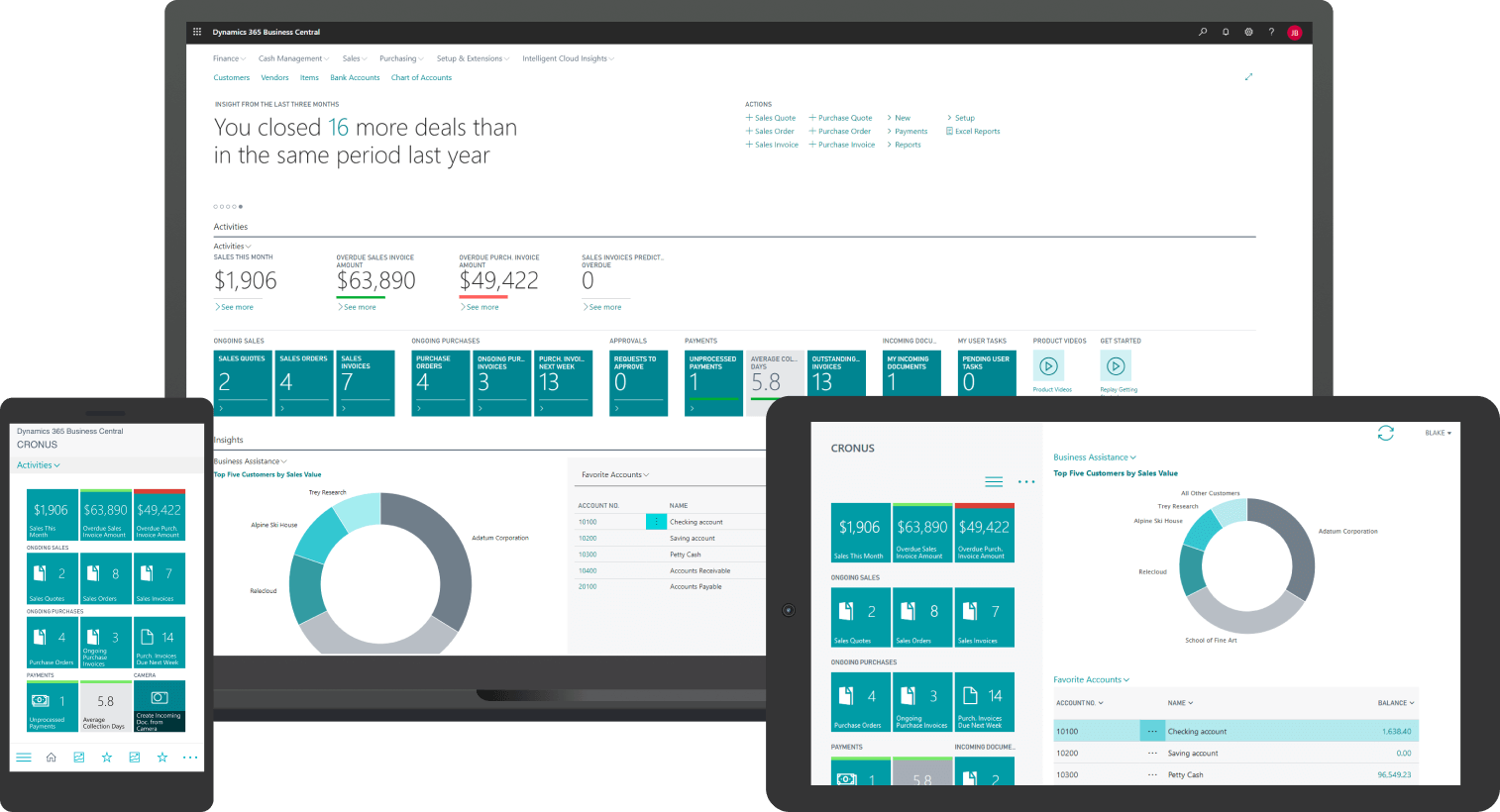
Real-time analytics dashboards provided actionable insights into fleet performance, operational costs, and revenue trends, enabling informed decision-making.
Sales & Purchasing Module
Centralized customer data improved tracking of contracts and service agreements, while automating procurement approvals for timely resource allocation.
Warehousing Module
Enhanced integration between fleet operations and warehouse systems ensured seamless dispatch planning and real-time inventory updates.
Results & Business Impact
The ERP implementation delivered significant benefits, including a 25% improvement in fleet utilization rates, which helped reduce transportation costs. The consolidation of data eliminated silos, enabling comprehensive reporting across all departments. Additionally, customer satisfaction improved through faster service delivery, powered by integrated logistics planning tools.
Conclusion
The implementation of Microsoft Dynamics 365 at Alcordia Transport LTD streamlined the supply chain, improved fleet management, and enhanced financial oversight. By adopting a data-driven approach and automating key processes, the company achieved significant cost savings and operational efficiency. This case study demonstrates the transformative impact of a well-executed ERP system in optimizing business operations for transport and logistics companies.
![]()