Background
Alcordia Logistics LTD, a prominent player in the logistics sector, faced operational inefficiencies due to fragmented systems and manual workflows. The company’s rapid growth highlighted limitations in its financial processes, supply chain visibility, and inventory management. To overcome these challenges, Alcordia Logistics LTD implemented an ERP system designed to streamline operations, enhance decision-making, and support scalability.
Challenges
Alcordia Logistics faced several operational challenges that hindered its growth. Fragmented financial processes, including manual reporting and the lack of system integration, led to inefficiencies in accounts payable, receivable, and reconciliation, increasing the risk of errors and slowing down operations. The company also struggled with limited supply chain visibility, as the existing system lacked real-time tracking capabilities, which caused delays and inefficiencies in logistics.
Additionally, scalability issues arose as the legacy systems were not capable of supporting the growing business demands, becoming more apparent as the company expanded. Finally, inventory management faced significant challenges, with manual warehouse operations leading to stock discrepancies, inefficient order fulfillment, and difficulties maintaining accurate inventory levels, all of which contributed to delays in order processing.
Project Objectives
The primary objectives of the ERP implementation were to centralize financial management for real-time reporting, optimize procurement, inventory, and distribution workflows, and enhance supply chain visibility through real-time tracking. Additionally, the system aimed to integrate CRM for improved sales tracking, optimize procurement planning for cost-effective purchasing, and implement an advanced warehouse management system for automated stock level monitoring and replenishment.
![]()
The digital transformation isn’t a one-time project, but a continuous process of evolution.

Lior Arussy
Customer Experience Expert
Implementation Approach
The ERP deployment followed a structured methodology, starting with a comprehensive analysis of business needs and pain points. The system was then customized and deployed to align with Alcordia's operational requirements. To ensure data accuracy, historical data was carefully migrated and validated. Extensive user training and user acceptance testing (UAT) were conducted before the system went live. Post-implementation support was provided to address any issues and ensure continuous system improvements.
ERP Modules Implemented
Finance & Accounting Module
A centralized financial management system was implemented to enable real-time reporting and analysis. This system automated accounts payable, accounts receivable, and financial reconciliation processes, significantly reducing manual errors and enhancing overall efficiency.
Supply Chain Implementation
The implementation optimized procurement, inventory management, and distribution workflows, streamlining operations across the board. Real-time tracking capabilities were introduced, enabling the company to monitor shipments and deliveries more effectively, ensuring smoother logistics.
Reporting Module
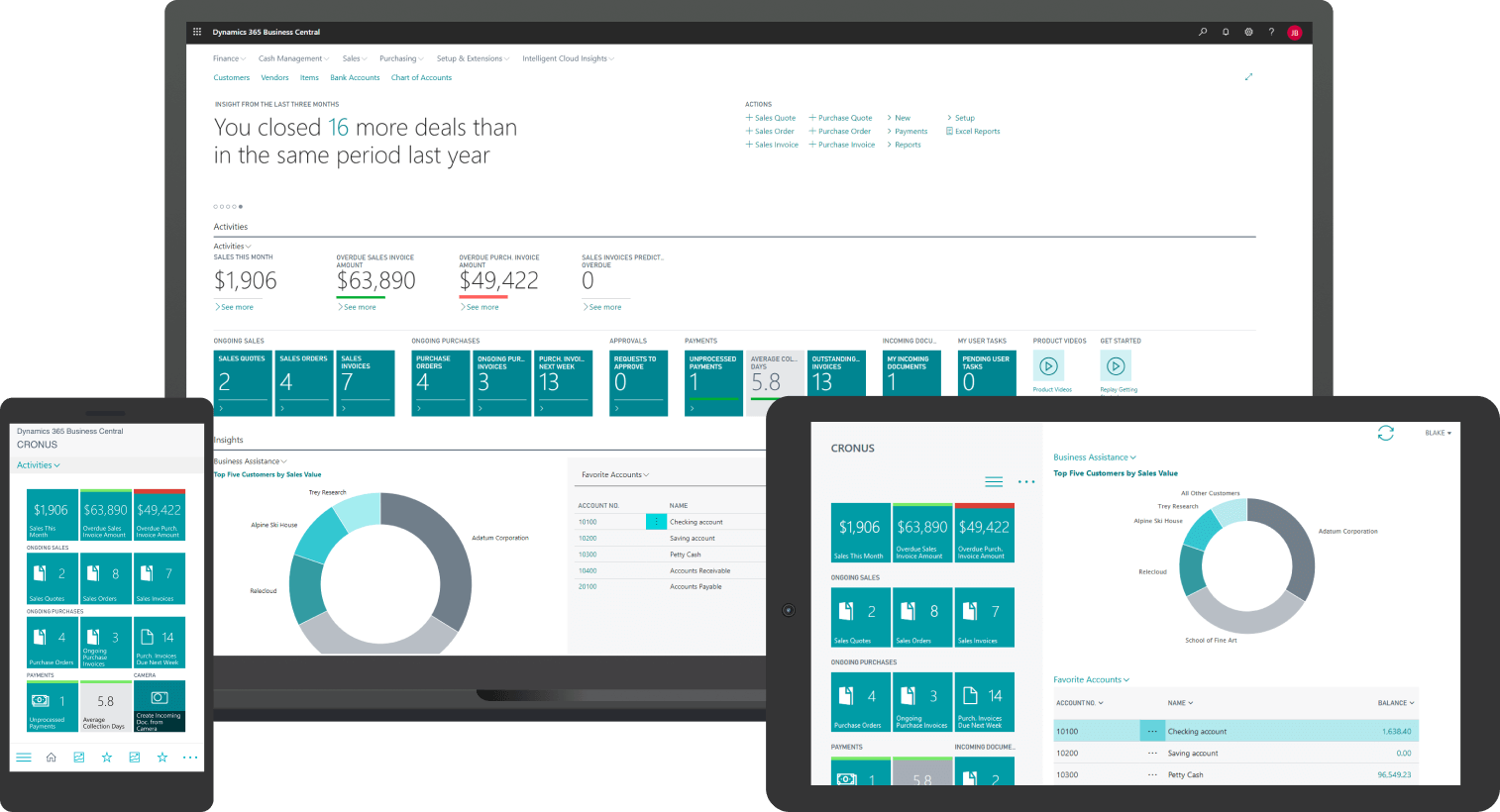
Customized dashboards were developed to provide tailored financial and operational insights specific to the company’s needs. Additionally, automated report generation facilitated faster decision-making by delivering real-time analytics, ensuring executives stayed informed.
Warehousing Module
An advanced warehouse management system was implemented to automate stock level monitoring and replenishment processes. This system minimized stock discrepancies by providing real-time inventory updates, significantly improving the accuracy of warehouse operations.
Results & Business Impact
The ERP implementation resulted in measurable improvements, including a 50% reduction in manual financial processing time through the automation of finance workflows. Enhanced supply chain visibility greatly improved logistics operations, reducing delays. Inventory accuracy increased by 30%, leading to more efficient stock management. Furthermore, faster decision-making, enabled by real-time reporting tools, enhanced operational agility.
Conclusion
The implementation of Microsoft Dynamics 365 at Alcordia Logistics LTD transformed its operations by addressing inefficiencies in finance, supply chain visibility, and inventory management. The integration of automated workflows and real-time analytics not only improved overall efficiency but also positioned the company for scalable growth.
![]()