Introduction
Paperplast Manufacturing Company, a leading producer of high-quality plastic products, sought to enhance operational efficiency and streamline processes through the implementation of Microsoft Dynamics 365. The project focused on key areas, including Production, Finance and Accounting, Supply Chain Management, and Reporting.
The Challenge
Prior to the implementation, Paperplast faced several operational challenges. Manual production workflows were inefficient, while financial operations were prone to errors and compliance issues. Supply chain management was fragmented, leading to poor inventory control and vendor relations. The lack of real-time reporting made decision-making slow and uncertain.
Project Objectives
The primary objectives of the ERP implementation was to automate production workflows to improve efficiency and minimize waste, streamline financial operations to ensure compliance and enhance reporting, optimize supply chain processes to enhance procurement and inventory control, and strengthen reporting functionalities for accurate data analysis and decision-making.
![]()
Digital transformation is a fundamental reality for businesses today.

Warren Buffett
Chairperson of Berkshire Hathaway
Implementation Approach
The ERP deployment was carried out using a structured methodology that began with a thorough analysis of Paperplast's business needs and pain points. Based on this analysis, Microsoft Dynamics 365 was customized and implemented to meet the company’s specific operational requirements. Historical data was then migrated and validated to ensure accuracy. Following this, extensive user training and user acceptance testing (UAT) were conducted to prepare for the system’s go-live. After implementation, post-deployment support was provided to address any issues and ensure continuous improvements to the system.
Dynamics 365 Modules Implemented
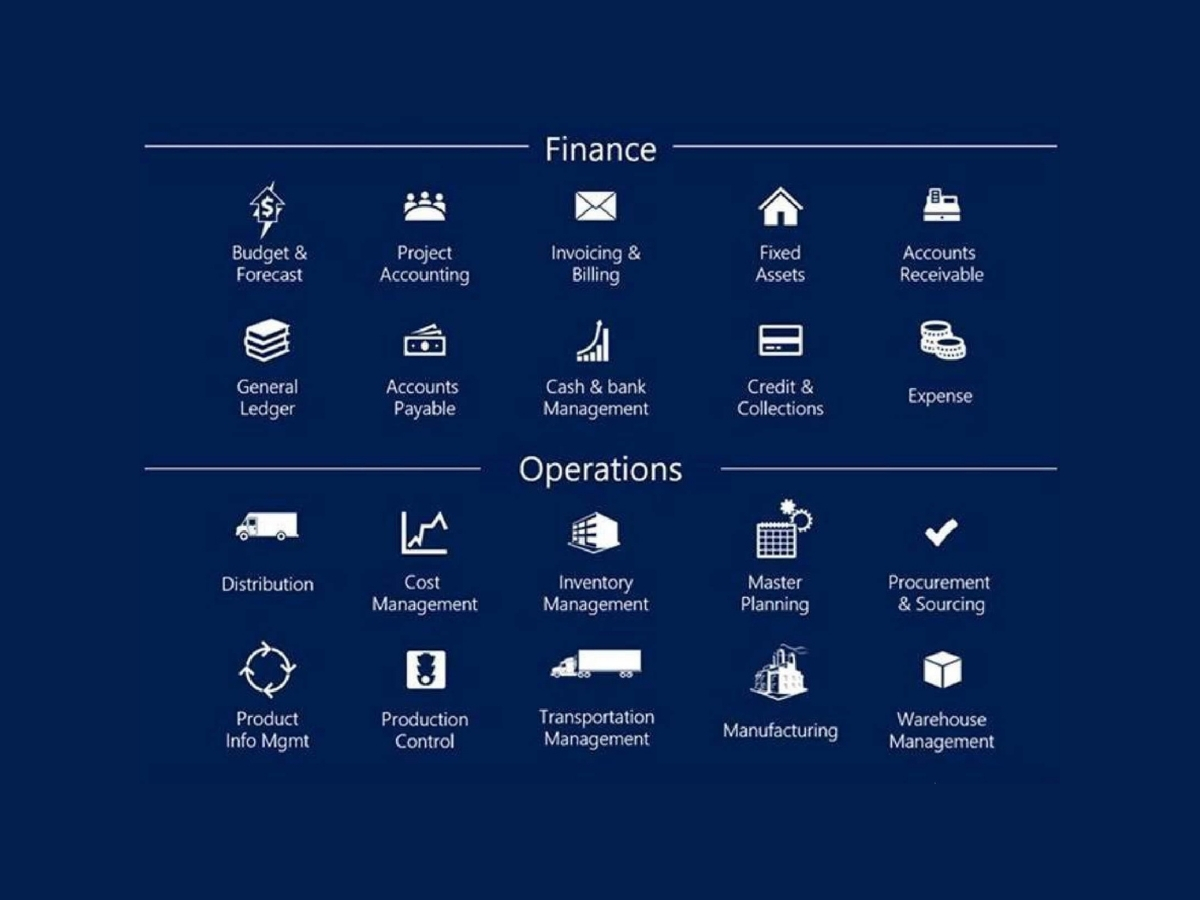
Production Module
The production module streamlined planning and scheduling through automation, allowing for real-time monitoring of manufacturing processes. This led to minimized downtime by optimizing resource allocation across the production line.
Finance and Accounting Module
Automated financial reporting and general ledger management were introduced, ensuring compliance with tax and financial regulations. Additionally, the system enhanced capabilities for cost tracking and budgeting, providing greater control over financial operations.
Supply Chain Management
The supply chain module integrated procurement workflows, facilitating seamless vendor management and improving visibility of stock levels. It also enhanced demand forecasting and optimized logistics and distribution planning.
Reporting Module
Real-time dashboards were developed to monitor key performance indicators (KPIs), improving both data accuracy and accessibility across business units. Customizable reports provided management with strategic insights to make informed decisions.
Overcoming Challenges
During the implementation, several challenges were encountered. Resistance to change was effectively managed through comprehensive training sessions and targeted change management programs. Data integration issues were addressed by applying robust data validation techniques, ensuring a seamless transition. Additionally, complex production processes were streamlined using advanced ERP automation tools, resulting in significant improvements in efficiency.
The Transformation
The results of the ERP implementation were highly impactful. Production efficiency saw a 30% improvement, driven by automated workflows that reduced waste and boosted overall productivity. Automated accounting and reporting mechanisms minimized financial discrepancies, ensuring full compliance with tax and financial regulations. Supply chain visibility was significantly enhanced, leading to lower inventory costs and improved procurement efficiency. Additionally, real-time data analytics empowered faster decision-making, enabling management to respond swiftly to shifting market conditions.
Conclusion
The successful implementation of Microsoft Dynamics 365 at Paperplast Manufacturing Company has led to substantial improvements across production, finance, and supply chain management. With enhanced operational tools, the company is now better equipped to ensure regulatory compliance, make informed strategic decisions, and support sustained business growth. This case study demonstrates the transformative impact of a well-executed ERP system in optimizing business operations for manufacturers.
![]()